HGP Featured in Rutgers Newsletter

Human Generosity Project Researchers Interviewed for Access Newsletter
sas-access-newsletter-fallwinter-2016


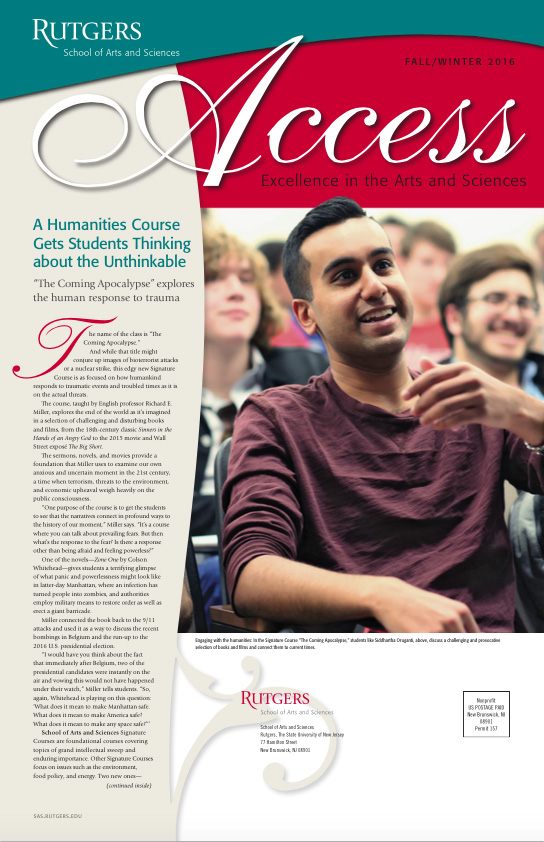
The Human Generosity project was featured in Access, a newsletter published by Rutgers’ School of Arts and Sciences. The article provides an overview of the project’s research goals, which are centered around the question of why people help each other. Project director Lee Cronk, Mongolia field-site supervisor Thomas Conte, and Ik field-site supervisor Cathryn Townsend were all interviewed for the article.
Do Human and Vampire Bat Friendships Share the Same Origin?

Human Generosity Project Members Interviewed about Their Research for an Article Published by Sapiens

 August 26, 2016

Vampire Bats Sapiens

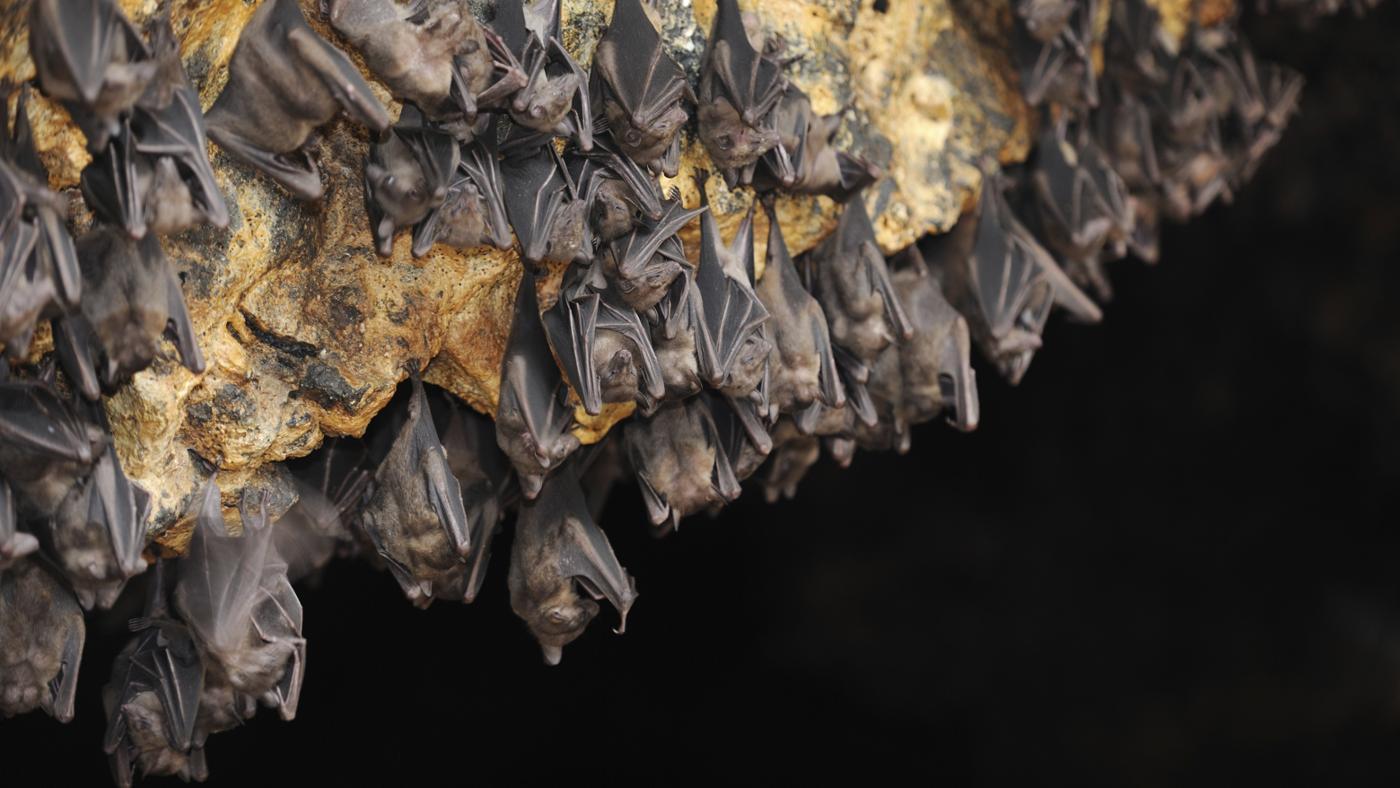
Human Generosity Project co-director Lee Cronk and Human Generosity Project member Dennis Sonkoi were interviewed by online publisher Sapiens for an article about friendship. Cronk and Sonkoi described their research with the Maasai people, a pastoral ethnic group living in Kenya. They emphasized how a casual friendship can bloom into a special type of friendship known among the Maasai as osotua, which means umbilical cord. Osotua friends go beyond casual friendship by serving as each other’s safety nets against adversity. Cronk adds that developing an emotional bond may have been an efficient evolutionary adaptation that allowed for close friends, such as osotua, to rely on each other in times of need.

New Article Published in Human Ecology

Cooperation in an Uncertain World: For the Maasai of East Africa, Need-Based Transfers Outperform Account-Keeping in Volatile Environments

 July 23, 2016

Human Ecology 2016

An article written by a team of Human Generosity Project researchers has been published in the journal Human Ecology. When the going gets tough, should you be stingy or nice? An article written by a team of Human Generosity Project researchers has been published in the journal Human Ecology investigates this very question by modeling volatile ecological conditions and testing the best resource sharing strategies. The researchers used agent-based models to compare strict account keeping to a generous giving rule based on the need of the recipient (called ‘need-based transfers’) under volatile conditions.

Mongolia: Cooperation is Preparation

“Cooperation is about preparation:” Preliminary results from the HGP’s Mongolia field site

By Thomas Conte

The Human Generosity Project

 July 17, 2015

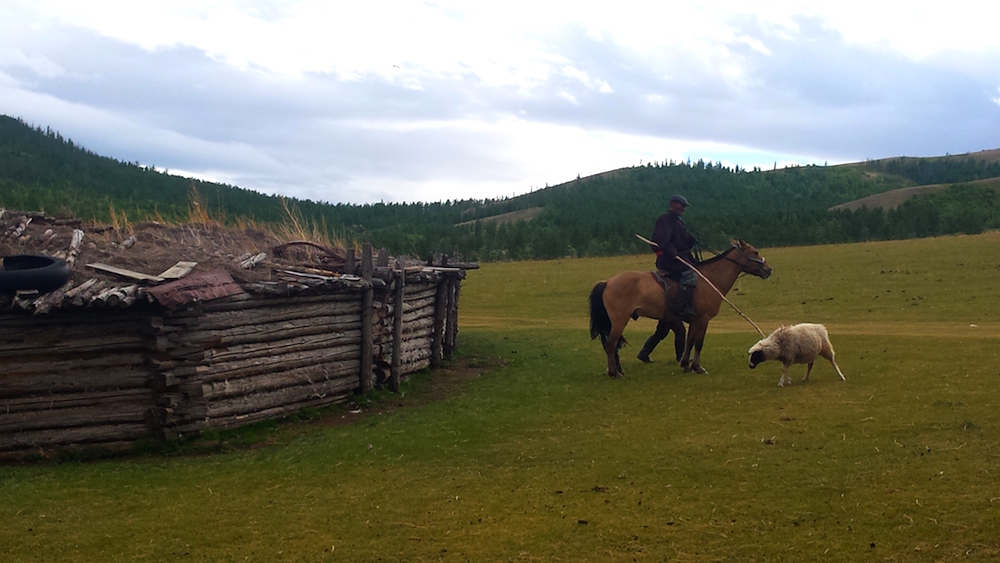
mongolia_sheepherd_2015_lg

Mongolia’s 21st century nomadic herders are merging a centuries-old economic tradition with post-2000 tech savvy. Roughly 30% of Mongolia’s population of 2.84 million make their living by migrating each season with herds of horses, goats, sheep, camels, and cattle. This mobile lifestyle often prompts folks in the West to imagine romantic ideas of what it would be like to live in the culture of wandering warriors who conquered most of Eurasia under the leadership of Chinghis Khan and his grandsons. But in 2015 Mongolia, you’re far more likely to see nomadic herders chatting on their iPhones or watching the latest soap opera on satellite TV than you are to see them contemplating the next invasion!

“Neighboring”: generosity in the American Southwest

“Neighboring”: a preliminary look at generosity and mutual aid  among ranchers in the American Southwest

By Lee Cronk

The Human Generosity Project

 July 17, 2015

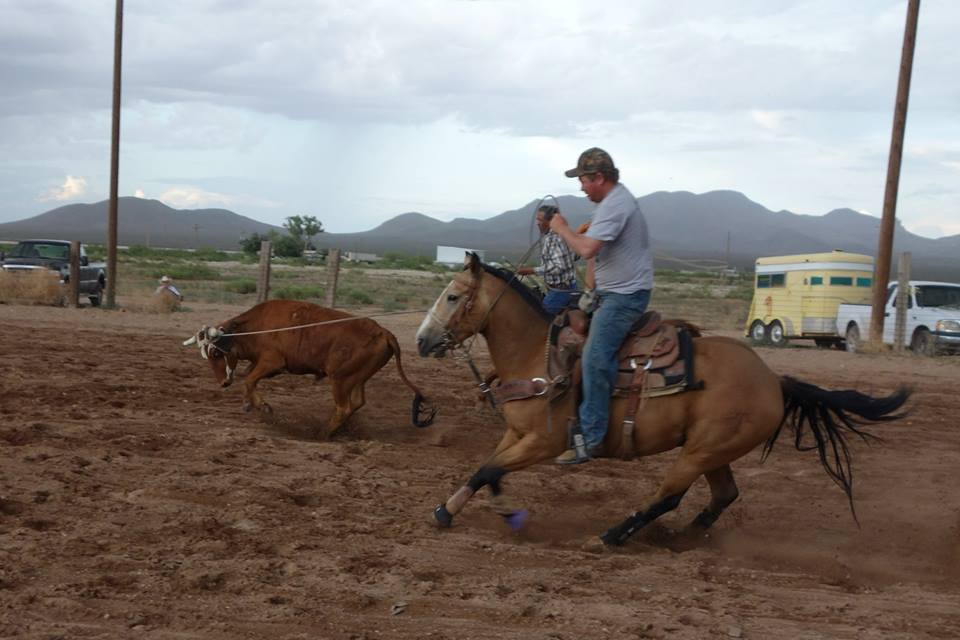
11665452_798417713606832_5431002669049053669_n

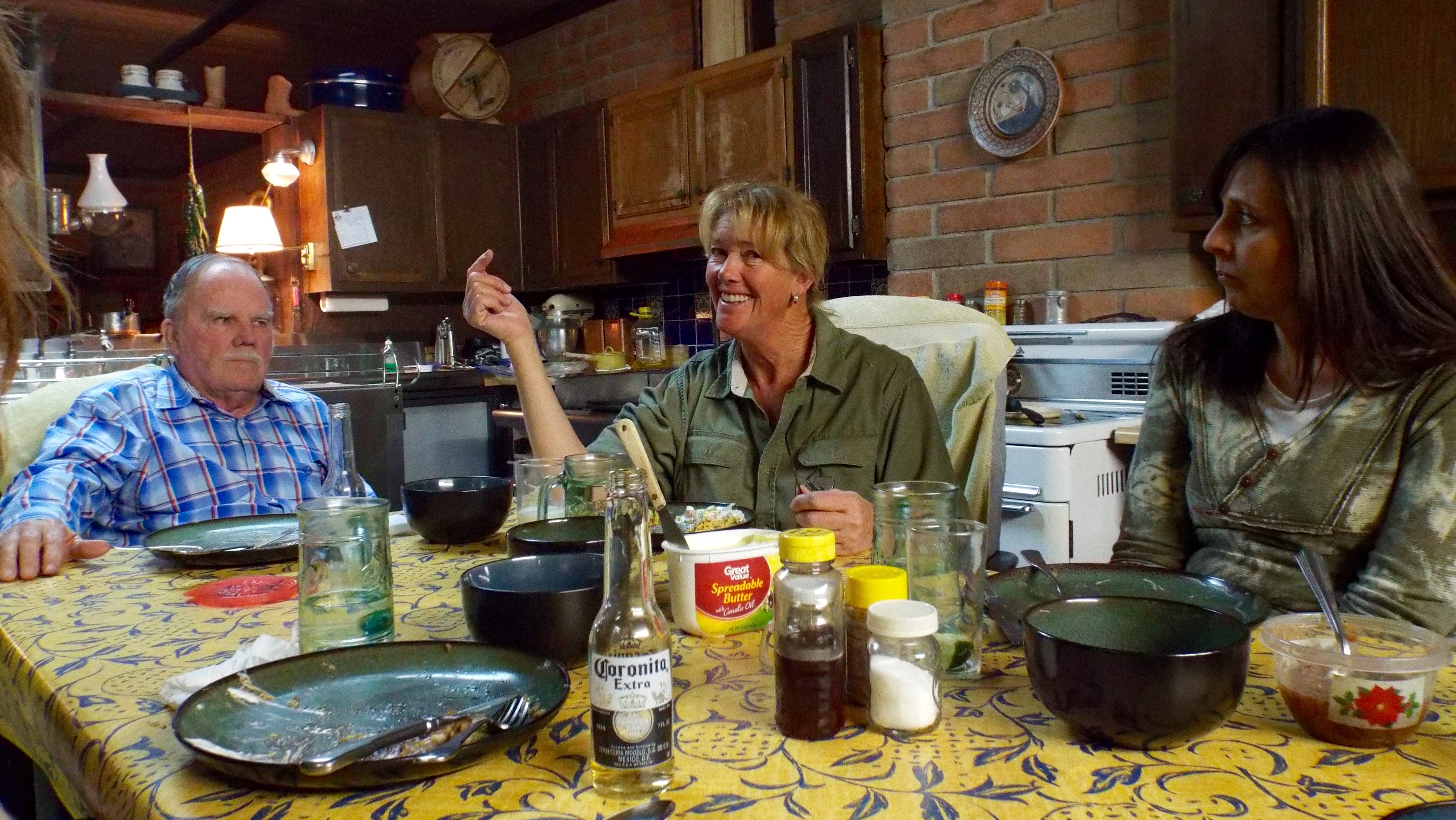
11707567_798418166940120_6882791211479031586_n

Many people dream about being a cowboy, but what is it really like? Here’s how one retired rancher described it: “There are a lot of opportunities to injure yourself.” Another put it even more succinctly: “It is a very dangerous business.” Nevertheless, those who are drawn to ranching and especially those who stick with it all have one thing in common: They absolutely love it, despite the risks and hardships it often entails.

Malpai borderlands site added to the HGP

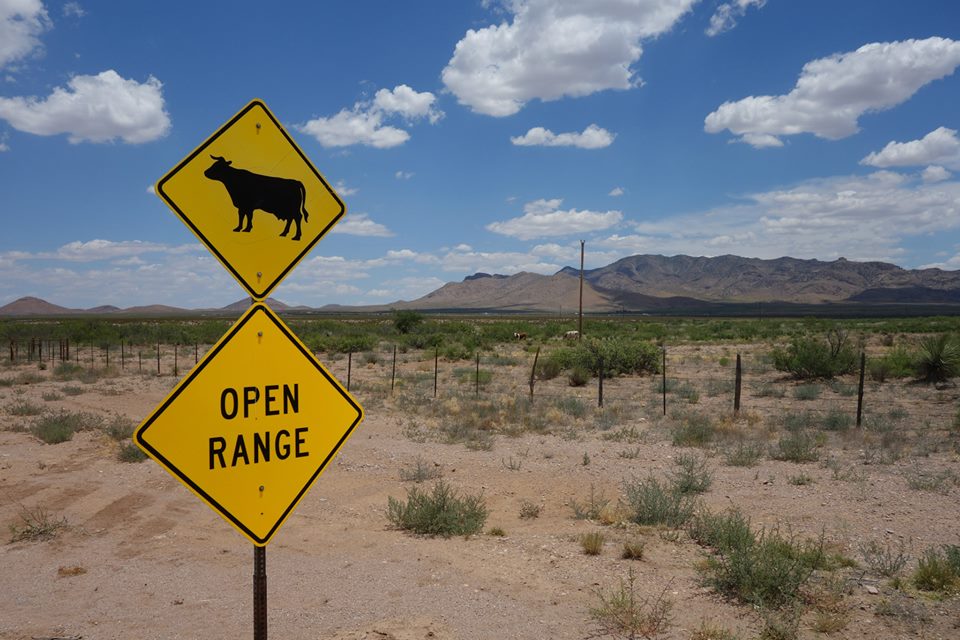
Malpai2_ssIn October of 2014, Lee Cronk and Athena Aktipis (co-Directors of the HGP) visited the Malpai borderlands region of southern Arizona and New Mexico to explore its suitability for the HGP. They were received warmly by local ranchers and other members of the community and learned a great deal in a short time about both the risks and uncertainties faced by American ranchers and the ways in which they support each other through tough times. Cronk and Aktipis concluded that the Malpai region would provide both some interesting parallels with our East African pastoralist sites and some additional features not found at any of our other sites. These include the risks associated with the work itself – managing cattle in a rugged environment, largely on horseback – and with the ranches’ dependence upon the market economy. After their visit, Cronk and Aktipis decided to make the Malpai borderlands region an official fieldsite of the HGP.

HGP launches

aboutpageimage

Version 2

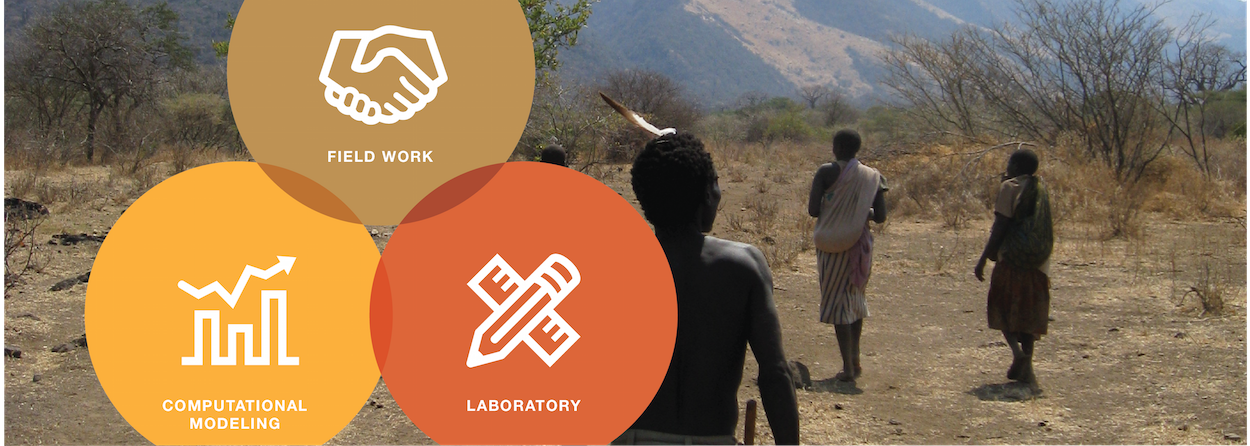
The Human Generosity Project launched in August of 2014, with the goals of enhancing our understanding of why humans share with each other in times of need. Through fieldwork at seven sites around the world, laboratory experiments with human subjects and computational modeling, the HGP leverages disciplinary expertise from many fields to better understand human cooperation. The HGP is generously supported by The Sir John Templeton Foundation, The National Science Foundation, Arizona State University and Rutgers University.